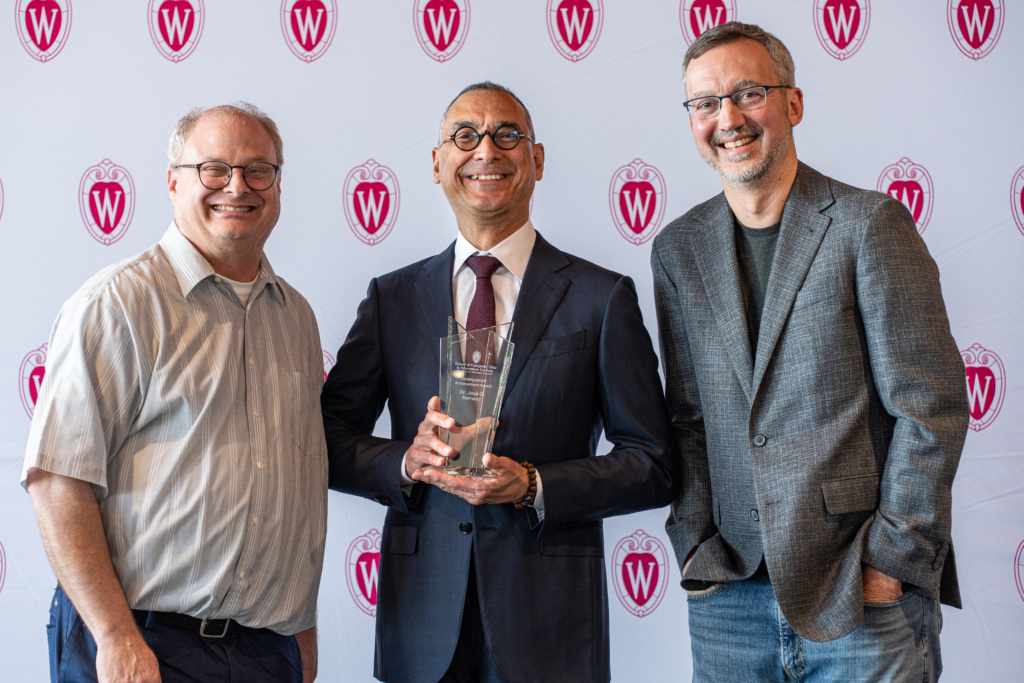
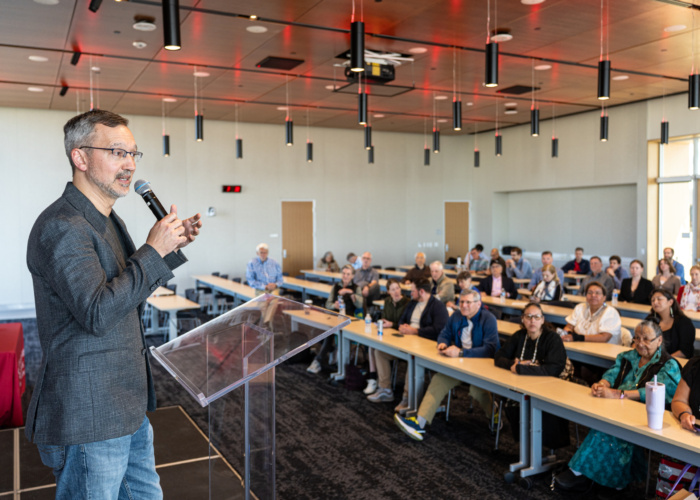
On April 24, 2026, the School of Computer, Data & Information Sciences celebrated outstanding alumni who have made significant contributions to the fields of computer science, statistics, data science, and information science.
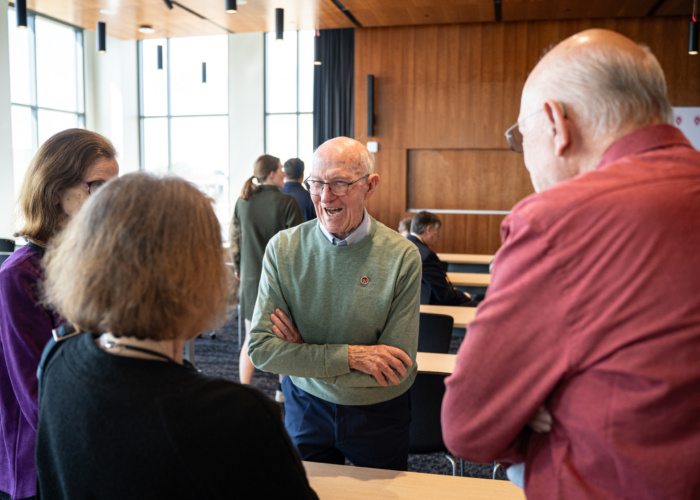
This second-annual event, held in Morgridge Hall for the first time, was not just about recognizing extraordinary achievements — it was also a chance for alumni to reconnect with old friends, make new connections, and strengthen their bonds within our vibrant network.
 Event attendees celebrating. Photo: Ueda Photography.

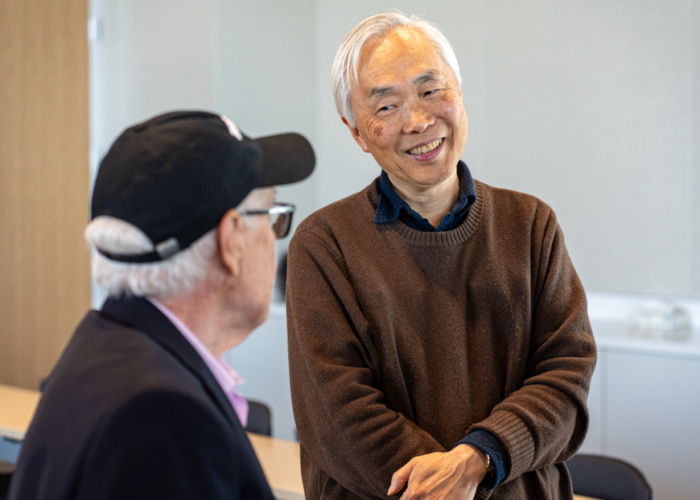

Former senior vice president and chief technology officer at Apple and Dell, Harslem contributed to the development of early personal computing technologies, including work on the Macintosh Plus during his tenure at Apple, helping advance desktop computing and digital publishing.
He later co-founded the KLE Foundation, where he has supported STEM and computer science education initiatives in Central Texas, focused on expanding access and opportunities for students in underserved communities.
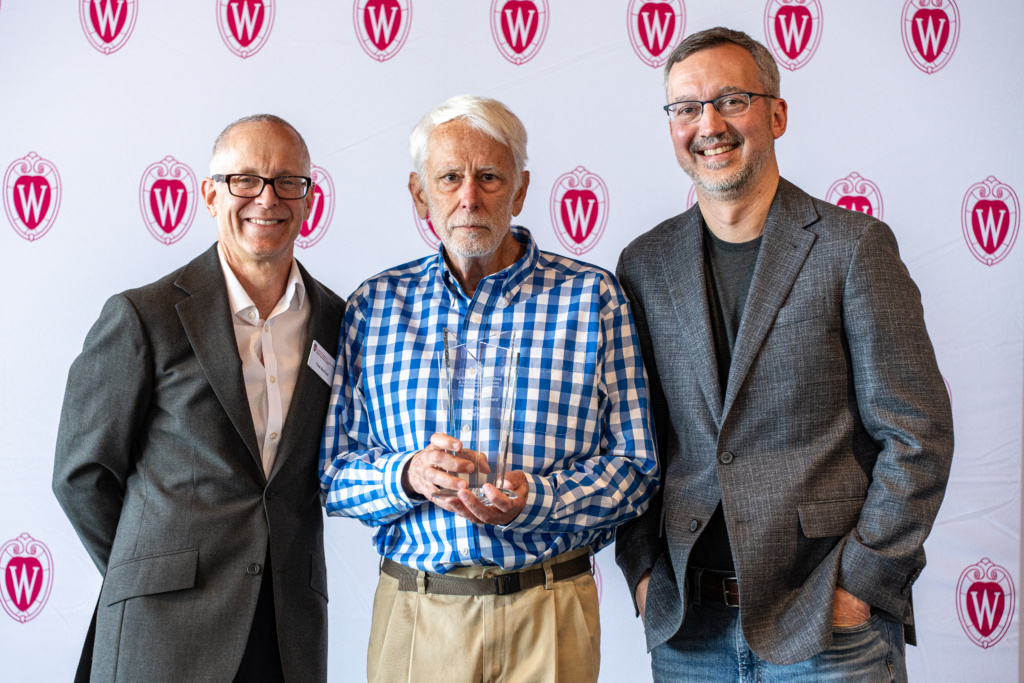
Garey, former director of the Mathematical Sciences Research Center at Bell Labs, is known for coauthoring Computers and Intractability with David S. Johnson, a foundational text on NP-completeness and computational complexity that has shaped the field of theoretical computer science.
He spent nearly three decades at Bell Labs, including eleven years as director of math research, where his work focused on computational intractability and advancing understanding of algorithms that are impractical to solve exactly.
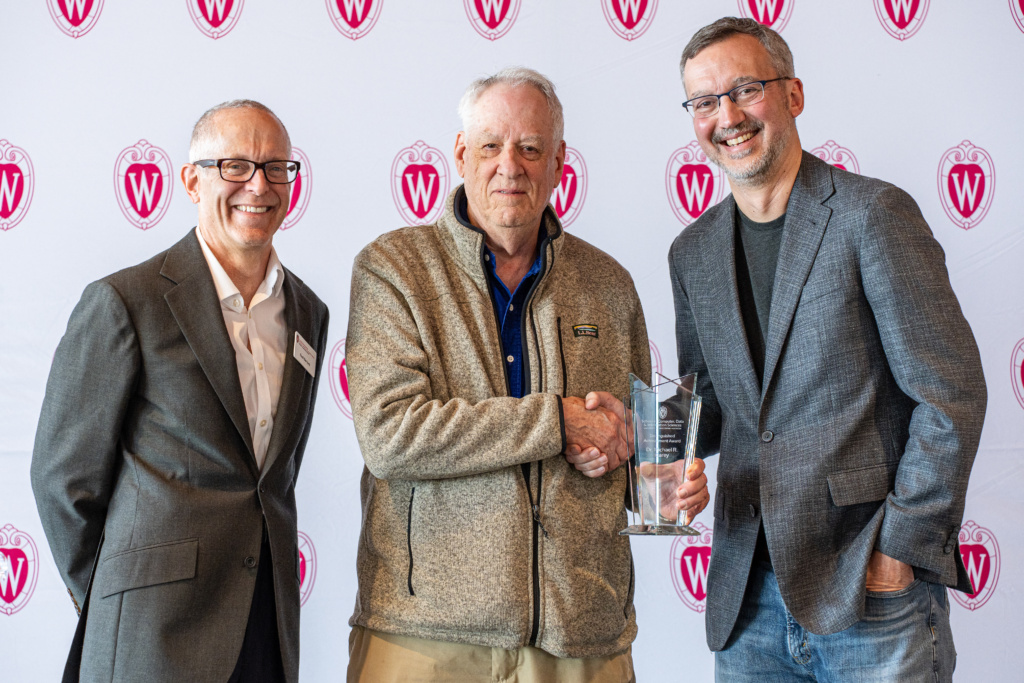
Professor emeritus of computer science and electrical engineering at the University of Southern California, Horowitz is known for coauthoring widely used textbooks such as Fundamentals of Data Structures and Fundamentals of Computer Algorithms with Sartaj Sahni, which have sold hundreds of thousands of copies and remain among the most cited works in the field.
He spent more than five decades on the faculty at USC, contributing to the growth of computer science as a discipline through his teaching, research, and leadership.
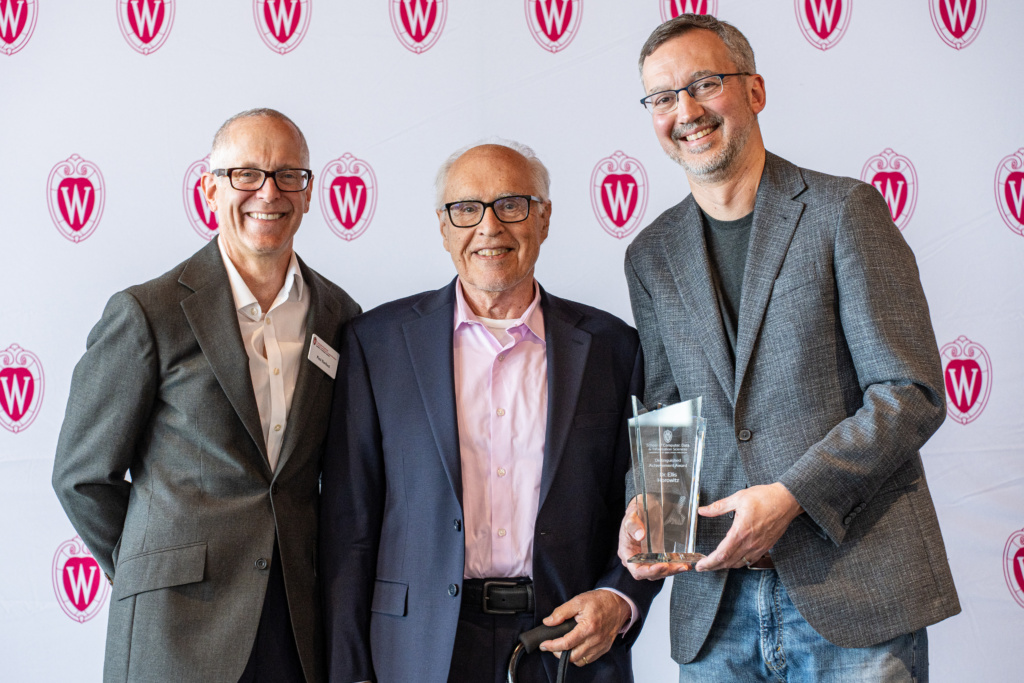
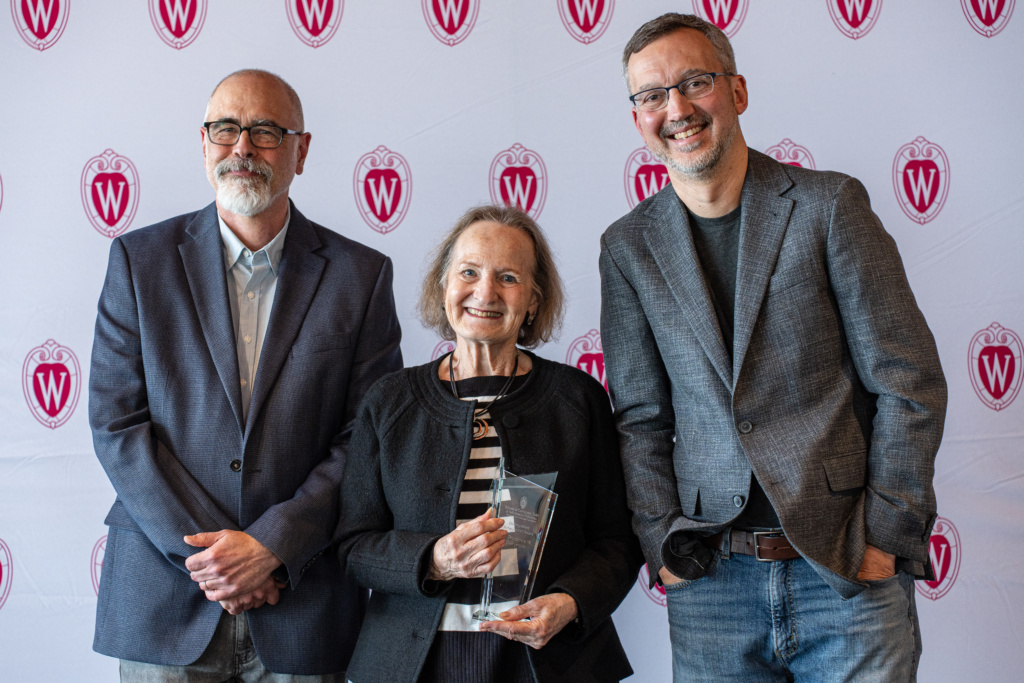
Dalrymple’s career spans roles in regional library systems, health informatics, and accreditation, including serving as Director of the Office for Accreditation at the American Library Association and contributing to a National Library of Medicine–funded project focused on medical information and clinical care.
Her work has focused on improving how information is organized, shared, and applied across disciplines, with an emphasis on expanding access to knowledge and advancing the field of information science beyond traditional library settings.
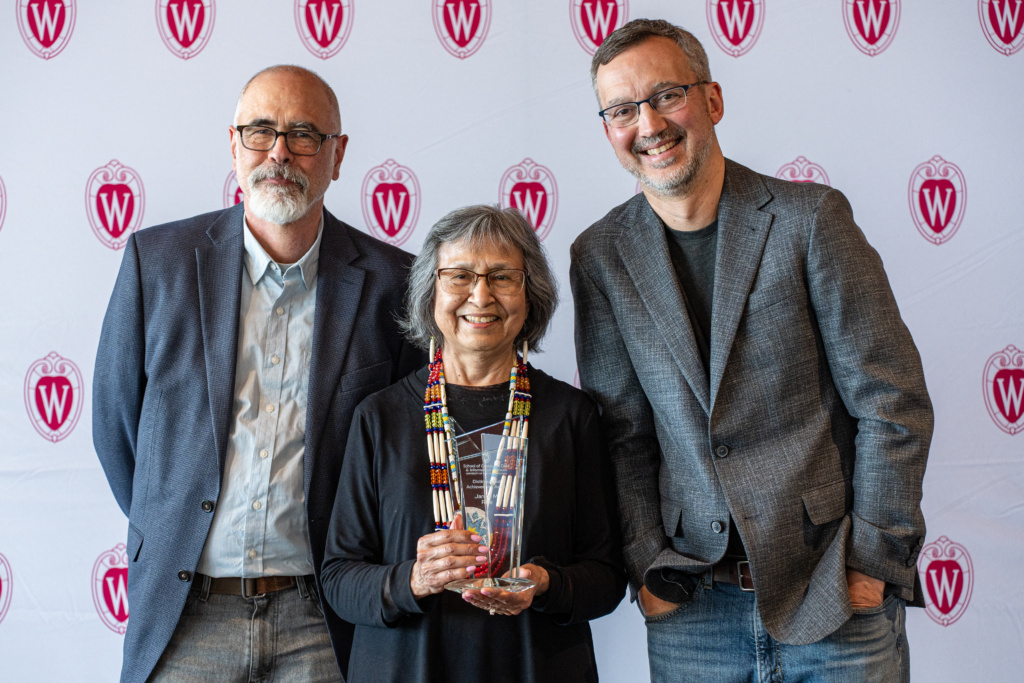
Rice’s career has focused on strengthening libraries and expanding information access for Indigenous communities, including leadership roles as president of the American Indian Library Association and co-chair of the Joint Conference of Librarians of Color.
She played a key role in advancing tribal librarianship through her involvement in the Tribal Libraries, Archives & Museums (TLAM) program and broader outreach efforts, contributing to initiatives that support Indigenous communities and improve access to information.
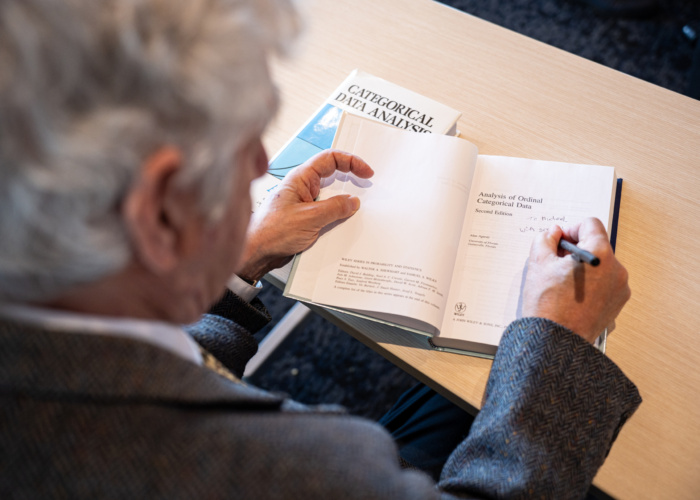
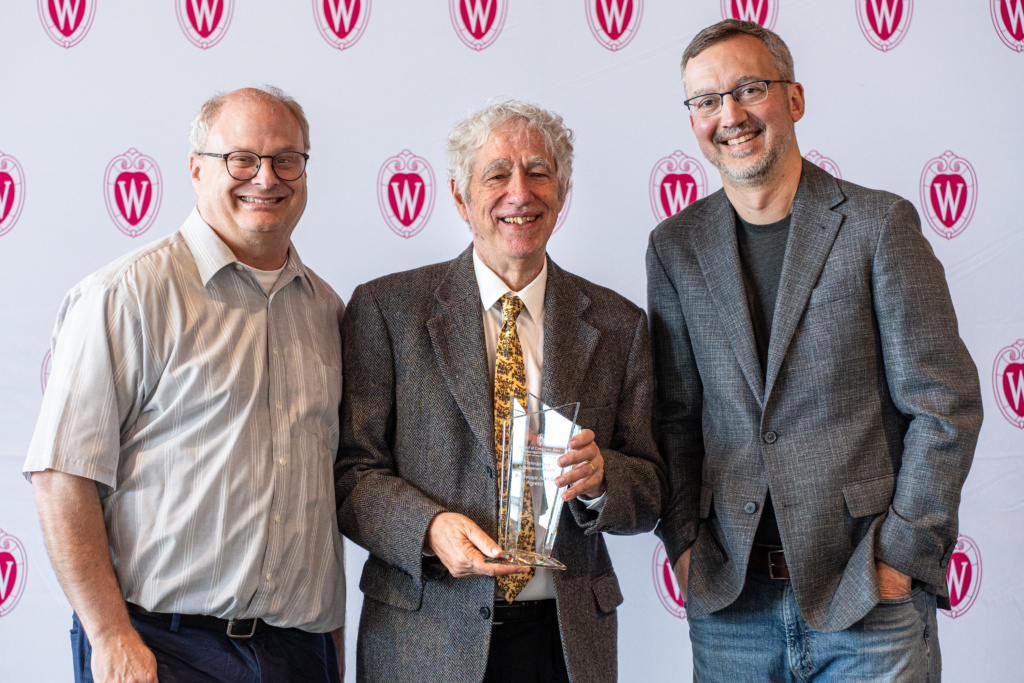
Distinguished professor emeritus of statistics at the University of Florida, Agresti is know for work including his book Categorical Data Analysis, which codified statistical methods for analyzing categorical data, and has been cited tens of thousands of times.
Over a 38-year career, his research and teaching have influenced a wide range of fields, applying statistical methods to questions in the social sciences, medicine, and beyond.
Hermann Habermann MS’70, PhD’75
Former chief statistician of the United States and director of the United Nations Statistical Division, Habermann’s career in public service included leadership roles at the Office of Management and Budget, where he helped guide national statistical policy and supported initiatives such as the Interagency Council on Statistical Policy and the Joint Program in Survey Methodology.
He also contributed to the development of global standards for official statistics through his work with the United Nations, shaping how countries measure economic activity and ensure the integrity of data used in decision making.